Reliance Plans ₹10 Trillion AI Push as Mukesh Ambani Sets Jio’s ‘AI-First’ Roadmap
India’s largest private conglomerate, Reliance Industries Limited, has unveiled an ambitious long-term investment plan of ₹10 lakh crore (₹10 trillion) aimed at building large-scale artificial intelligence infrastructure and capabilities across its digital businesses. The announcement, made by Chairman and Managing Director Mukesh Ambani, marks one of the biggest AI-focused commitments ever announced by an Indian company and has reinforced Reliance’s push to position its telecom and digital arm as an “AI-first” enterprise.
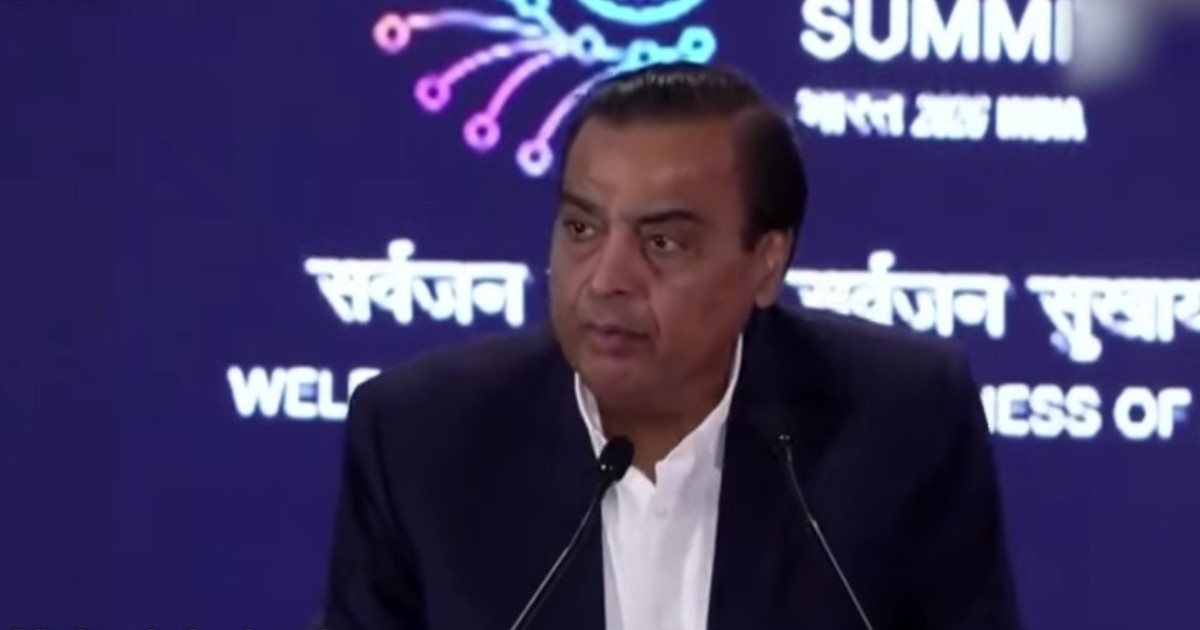
Speaking at a recent company event, Ambani said the proposed investment would be deployed over the next seven years and would focus on strengthening computing infrastructure, data centres, advanced networks, and AI-driven platforms. The strategy is anchored around Jio Platforms, which Reliance aims to transform into a foundational player in India’s artificial intelligence ecosystem.
Market Reaction and Investor Sentiment
Following the announcement, shares of Reliance Industries Limited witnessed a positive reaction in the equity markets, with investors responding to the scale and clarity of the company’s long-term digital roadmap. Market participants viewed the AI investment plan as a signal of Reliance’s intent to remain competitive in a rapidly evolving global technology landscape, where artificial intelligence is becoming central to telecom, retail, media, and enterprise services.
Analysts tracking the stock noted that while the investment horizon is long, the company’s balance sheet strength and diversified revenue base provide it with the capacity to fund such a capital-intensive transformation without immediate financial strain.
What the AI-First Vision Means
Reliance’s “AI-first” approach is expected to integrate artificial intelligence across multiple layers of its business operations. This includes network optimisation for telecom services, personalised digital experiences for consumers, automation in retail supply chains, and enhanced analytics for enterprise clients.
Jio currently serves hundreds of millions of users across mobile connectivity, broadband, cloud services, and digital applications. Embedding AI into these platforms could allow the company to improve service quality, reduce operational costs, and develop new data-driven products tailored to Indian consumers and businesses.
Ambani emphasised that the investment will prioritise building AI infrastructure within India. This aligns with broader national objectives around digital sovereignty, data localisation, and domestic technology development.
Focus on Infrastructure and Talent
A significant portion of the ₹10 trillion outlay is expected to go towards expanding data centres, high-performance computing capacity, and energy-efficient cloud infrastructure. Industry experts say such investments are critical for supporting large language models, real-time analytics, and enterprise-grade AI applications at scale.
In addition to physical infrastructure, Reliance is also expected to invest in research, partnerships, and talent development. Building and retaining skilled AI professionals remains a key challenge globally, and companies with the ability to combine capital, scale, and data access are seen as having a competitive edge.
Broader Impact on India’s Tech Ecosystem
Reliance’s announcement comes at a time when global technology companies are sharply increasing spending on artificial intelligence. While many of these investments are concentrated in the US and China, large domestic commitments such as this could accelerate India’s position as a serious player in AI development and deployment.
By leveraging its existing digital reach and enterprise relationships, Jio could potentially act as a platform for startups, developers, and businesses seeking AI-enabled solutions. This could have spillover effects across sectors such as healthcare, education, agriculture, and financial services, where AI adoption is still at an early stage.
Long-Term Strategy Over Short-Term Gains
Company executives have framed the AI investment as a long-term strategic move rather than a near-term earnings driver. The full financial and operational impact is expected to play out gradually as infrastructure is built and services are rolled out.
For investors and policymakers alike, the scale of Reliance’s commitment highlights how artificial intelligence is moving from an experimental technology to a core component of corporate strategy. As competition intensifies in the digital economy, the success of this plan will depend on execution, regulatory alignment, and the ability to convert technological capability into sustainable business value.
With its ₹10 trillion roadmap, Reliance has signalled that artificial intelligence will sit at the centre of its next phase of growth, potentially reshaping both the company and India’s broader digital landscape over the coming decade.
Add Republic Post as a preferred source on Google – Click Here
Last Updated on: Thursday, February 19, 2026 2:26 pm by Republic Post Team | Published by: Republic Post Team on Thursday, February 19, 2026 2:25 pm | News Categories: Business
About The Author